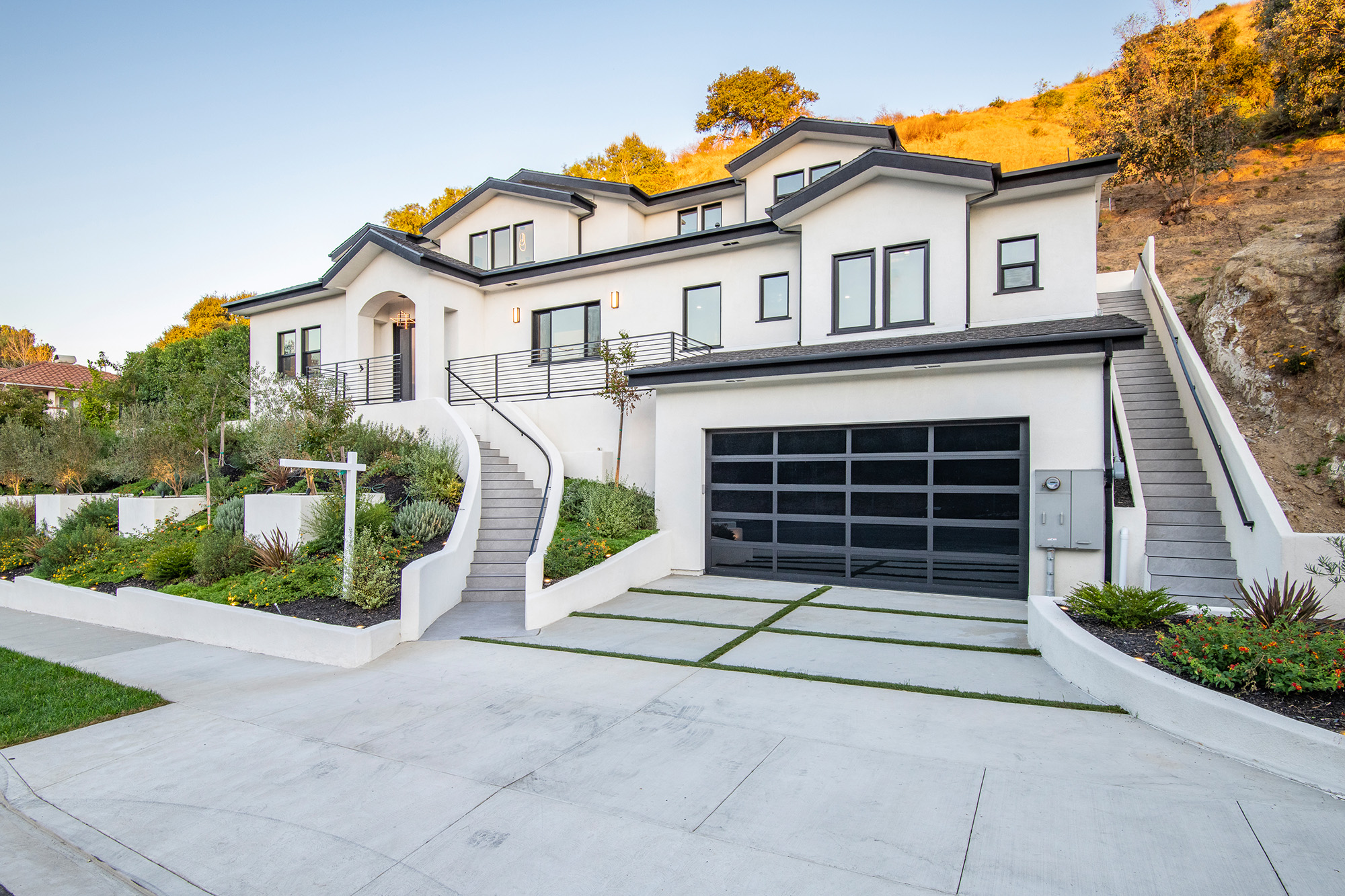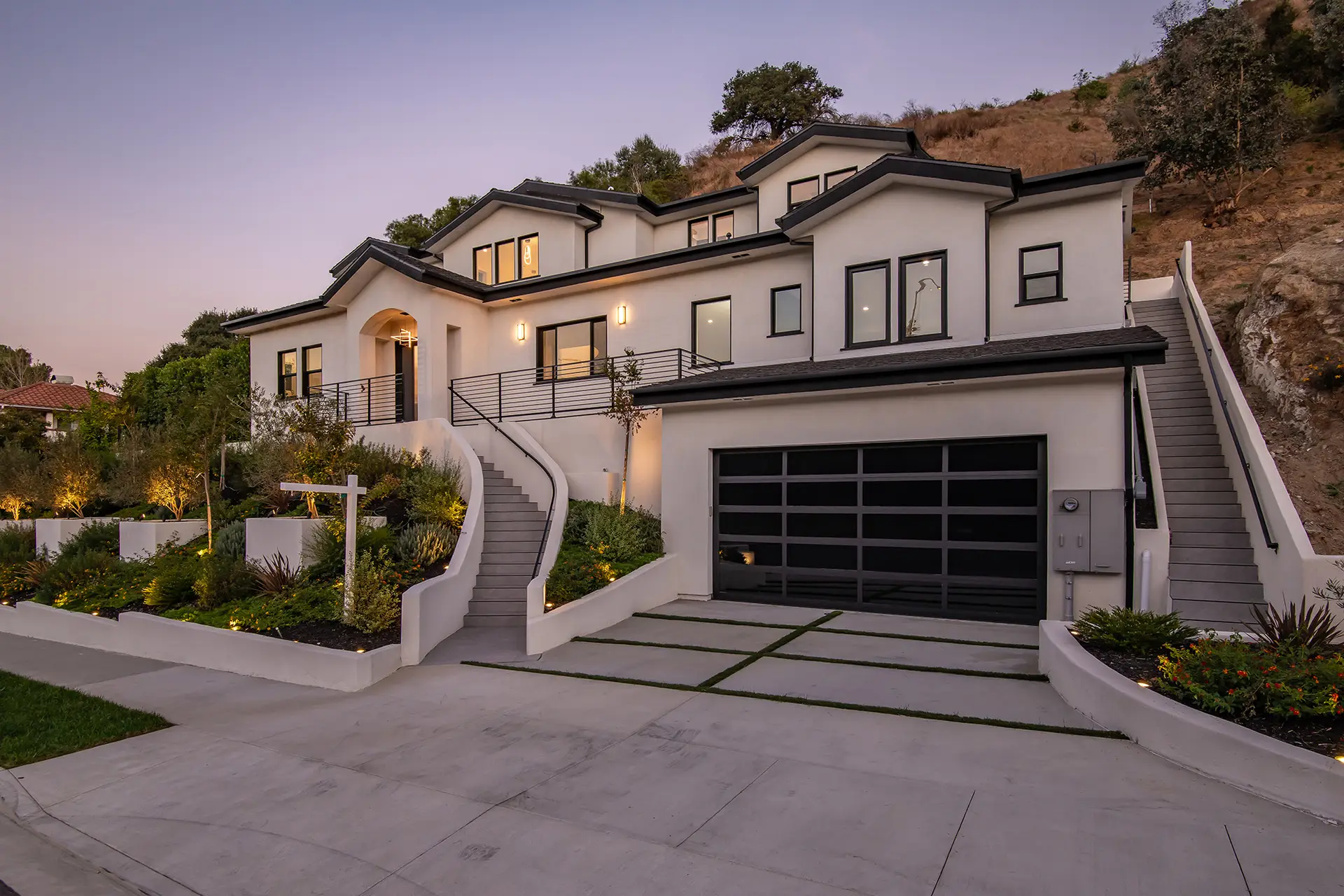
A bright midday exterior can show a property clearly, but it rarely sells the mood. That is exactly why day to dusk real estate photo editing has become a practical marketing tool for agents and property teams who want stronger first impressions without scheduling a second shoot.
When done well, this edit transforms a standard daytime exterior into an image that feels more elevated, more inviting, and more marketable. The sky shifts, interior lights glow, pool water picks up color, and the home looks closer to the way buyers imagine it at its best. For online listings where the cover image does a lot of the work, that difference matters.
Table of Contents
ToggleWhat day to dusk real estate photo editing actually does
At a basic level, the process converts a daylight exterior image into a twilight-style presentation. But strong editing is not just about dropping in a sunset sky. It is a controlled adjustment of atmosphere, contrast, warmth, window illumination, landscape tone, and exterior balance so the final image looks believable.
That distinction is important. Buyers can spot an artificial edit faster than many agents expect. If the sky looks dramatic but the shadows stay harsh and midday, or if every window glows the same electric yellow, the image starts to feel staged in the wrong way. The goal is not fantasy. The goal is a cleaner, more premium version of reality.
For real estate marketing, that means preserving architectural lines, correcting exposure, balancing color, and creating a dusk effect that complements the property rather than overpowering it. On a modern home, that may mean cooler exterior tones with controlled interior warmth. On a traditional home, it may call for a softer sky and gentler window light.
Why these edited twilight images perform so well
Most listing platforms are crowded with bright daytime exteriors. They are useful, but they often blend together. A polished dusk-style image tends to slow the scroll because it signals a higher level of presentation.
This does not mean every property should lead with a day-to-dusk image. It depends on the architecture, the landscaping, the season, and the broader marketing strategy. Still, for homes with strong curb appeal, exterior lighting, pools, large windows, or premium outdoor areas, the effect is often immediate. The property appears more refined, more intentional, and more memorable.
That matters in competitive markets where buyers are making decisions from thumbnails first. A stronger hero image can increase curiosity before anyone reads the description, checks the square footage, or reviews the disclosures. For agents, that can translate into more clicks, more saves, and more qualified interest.
There is also a cost and scheduling advantage. A true twilight shoot can look excellent, but it requires a narrow capture window, favorable weather, and careful timing. Day to dusk real estate photo editing offers a flexible alternative when the listing timeline is tight or the property cannot easily accommodate a second session.
When day to dusk real estate photo editing makes sense
This approach tends to work best when the original daytime photo is already strong. Clean composition, good exposure, and a flattering camera angle give the editor a solid base. If the image was captured under poor weather, severe glare, heavy obstruction, or weak perspective, editing can improve it, but it will not fully rescue it.
Properties with exterior lighting features usually benefit the most. Luxury homes, contemporary builds, renovated single-family residences, pool properties, and well-landscaped listings often gain the strongest visual lift. Commercial buildings and multifamily properties can also benefit, especially when the evening look helps define entry points, signage, or outdoor amenities.
It can be especially useful in Southern California, where daylight is abundant and many shoots happen under bright sun. In neighborhoods where indoor-outdoor living is part of the selling point, a dusk-style image can better communicate patios, decks, fire features, and illuminated entertaining space than a flat midday exterior.
That said, not every listing needs it. A modest property with limited exterior lighting or minimal front elevation detail may be better served by a crisp daytime lead image. Editing should support the listing, not force a luxury look onto a home that presents better through clarity and honesty.
The difference between a convincing edit and a weak one
A lot of frustration with virtual twilight images comes from poor execution, not from the concept itself. The strongest edits feel natural enough that buyers focus on the home rather than the effect.
First, the light has to make sense. Window glow should match the structure, not appear pasted on. Exterior fixtures should feel proportional. Shadows and highlights should shift to support the dusk atmosphere.
Second, color control matters. If the sky is too saturated or the house turns overly orange, the image starts to look synthetic. High-end real estate marketing depends on restraint. The image should feel polished, not exaggerated.
Third, detail retention matters just as much as mood. Buyers still need to see materials, rooflines, entry features, hardscape, and landscaping. If the edit gets too dark, the marketing value drops because the image becomes less informative.
Finally, the edit should align with the rest of the media set. If the cover image has a dramatic dusk look but every other photo is heavily contrasted or inconsistent in color, the presentation feels disjointed. Consistency across photography, floor plans, video, and listing design is part of what makes a property campaign feel professional.
Day-to-dusk editing versus a real twilight shoot
This is where the trade-off matters. A real twilight session still offers certain advantages. Actual ambient light, naturally illuminated interiors, and authentic exterior fixture balance can create a richer image, especially on high-end homes where every detail matters. For luxury estates, architecturally significant properties, or listings with premium outdoor living spaces, a live twilight shoot may justify the extra coordination.
But edited twilight has a strong place in real estate marketing because it solves a practical problem. It reduces scheduling friction, lowers production costs, and makes it possible to create a premium exterior image from an already completed daytime session.
For many agents, the choice is not between edited twilight and real twilight. It is between edited twilight and no twilight-style image at all. In that scenario, day-to-dusk editing can be the more efficient move.
The right decision depends on listing price point, time on market strategy, seller expectations, and how central the exterior is to the property story. If the front elevation is one of the strongest selling features, investing in some form of twilight presentation often makes sense.
How to use the image in your marketing mix
The best use for this type of image is usually the lead exterior photo or one of the first few images in the gallery. It works particularly well as the visual anchor for MLS, social media promotion, digital ads, property websites, and brochure covers because it creates a stronger opening impression.
That said, it should not replace the need for clear daytime coverage. Buyers still want accurate views of the exterior in natural light. The edited image draws attention. The full media package builds trust.
This is where a service-led approach matters. If your listing visuals are being produced as a coordinated set rather than pieced together from separate vendors, it becomes easier to keep the presentation consistent across still photography, aerials, video, floor plans, and enhancement work. That consistency has real marketing value, especially for agents managing multiple listings on tight timelines.
What agents should look for before ordering the edit
Start with the source image. Ask whether the exterior angle is clean, whether the landscaping is ready, and whether the photo already supports a strong hero shot. Editing works best when the capture is intentional.
Then consider the property type and target buyer. A sleek condo development, a luxury home in Beverly Hills, or a coastal property with strong evening ambiance may benefit more than a basic tract home with limited exterior depth. Audience expectation should guide presentation.
Finally, work with a team that understands real estate marketing, not just image manipulation. The best result comes from knowing how buyers browse listings, how MLS presentation affects click behavior, and how photography choices shape perceived value. That commercial understanding is what turns a nice-looking edit into a useful sales asset.
A good day-to-dusk image does not just make a home look prettier. It helps frame the listing as cared for, well-positioned, and worth a closer look. In a market where attention is short and presentation carries weight, that is often reason enough to use it.