Table of Contents
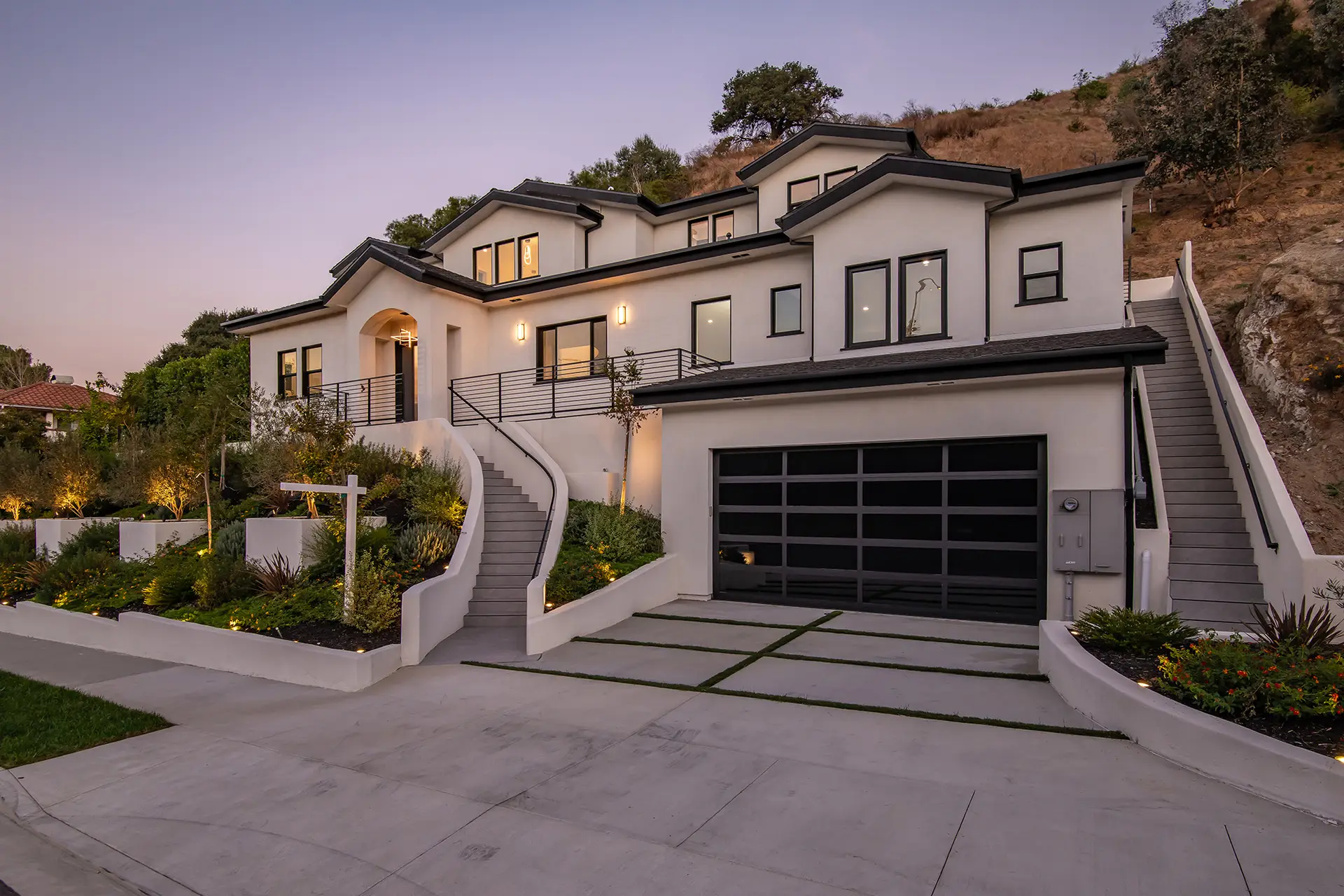
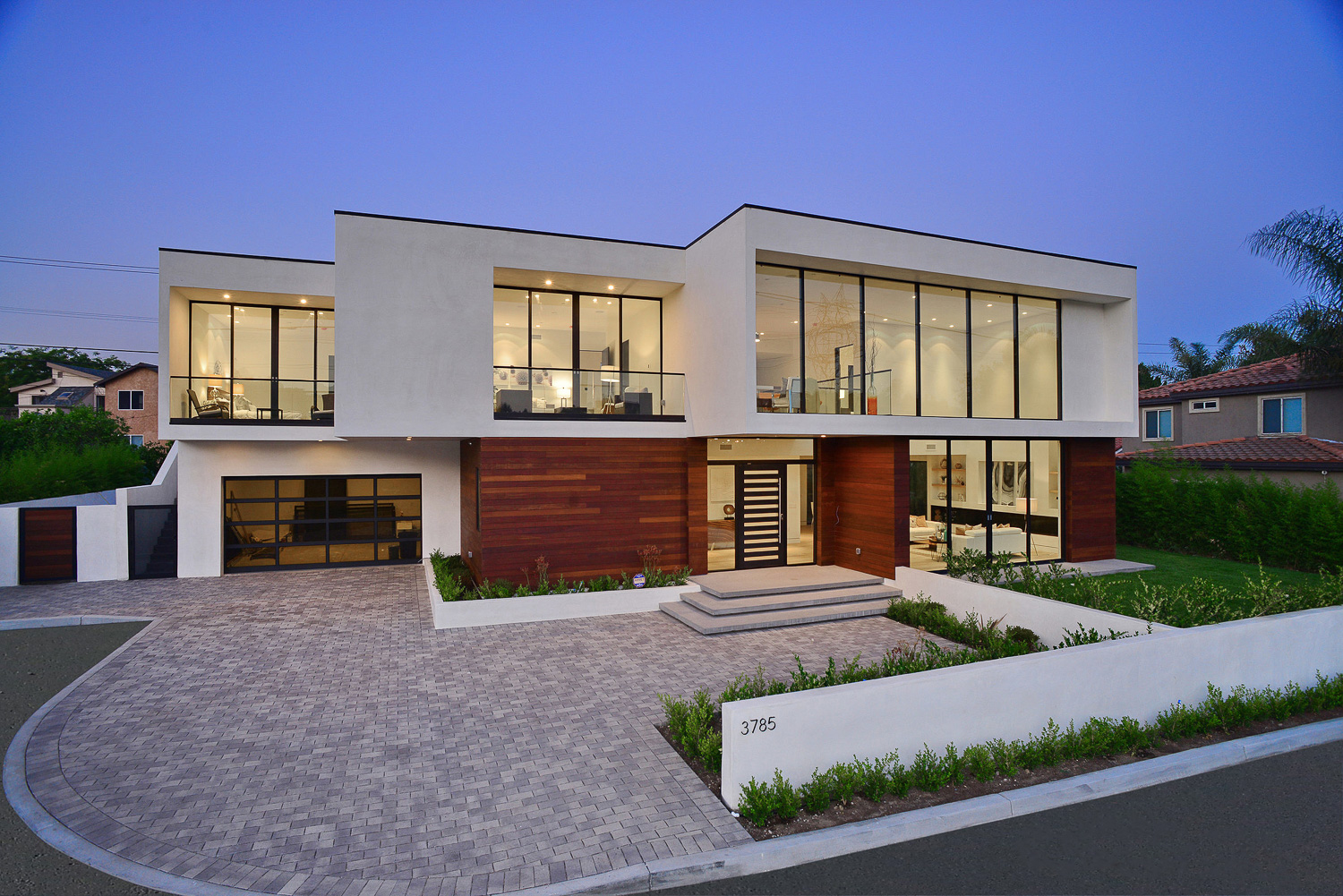
ToggleA luxury listing gets judged in seconds, usually on a phone screen, usually against a row of competing properties that all claim premium finishes and exceptional design. Twilight photography for luxury homes changes that first impression fast. When the exterior lighting is balanced correctly and the sky still holds color, a property looks warmer, more intentional, and more expensive before a buyer reads a single detail.
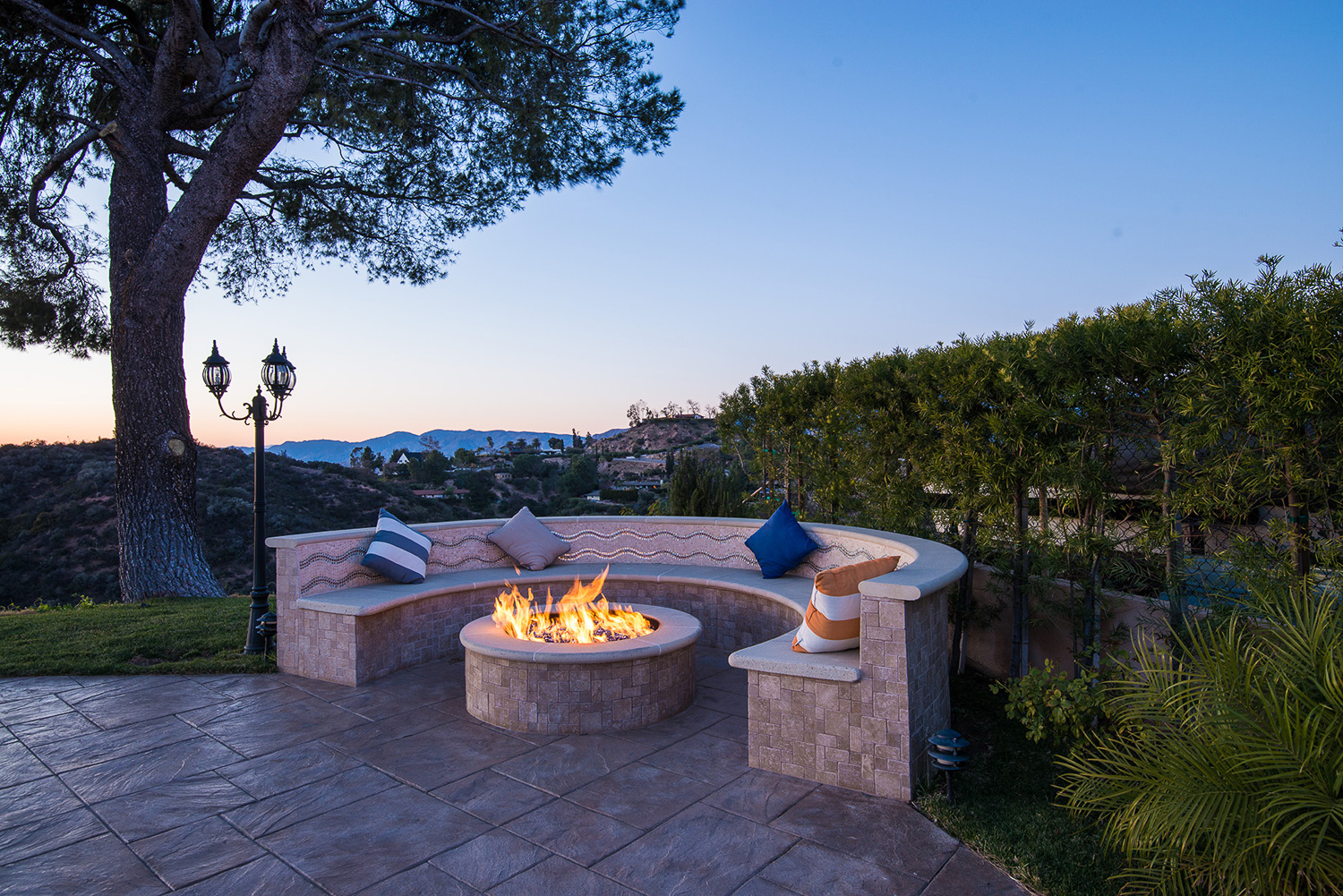
That reaction is not accidental. Twilight works because it gives high-end homes what daytime photography sometimes cannot – contrast, atmosphere, and a clearer sense of how the property lives after sunset. For estates, custom builds, and architecturally distinct homes, that matters. Many luxury properties are designed as much for evening use as daytime use, especially in Southern California where outdoor entertaining, pool areas, fire features, and view-facing terraces are part of the value story.
Luxury buyers are not just assessing square footage. They are evaluating experience, privacy, design quality, and emotional fit. Twilight imagery supports that process by showing the home at a time of day associated with arrival, entertaining, and relaxation. The result is often more persuasive than a bright midday exterior that flattens lighting and minimizes mood.
There is also a practical marketing benefit. On MLS platforms and consumer listing sites, twilight images tend to stop the scroll. A glowing facade against a blue sky creates stronger visual separation than a standard daytime front elevation. That can improve click-through behavior, especially when the home is competing in a crowded market with professionally photographed inventory.
For agents and developers, this matters because attention is the first step in listing performance. If the hero image earns more clicks, the rest of the media package has a better chance to do its job.
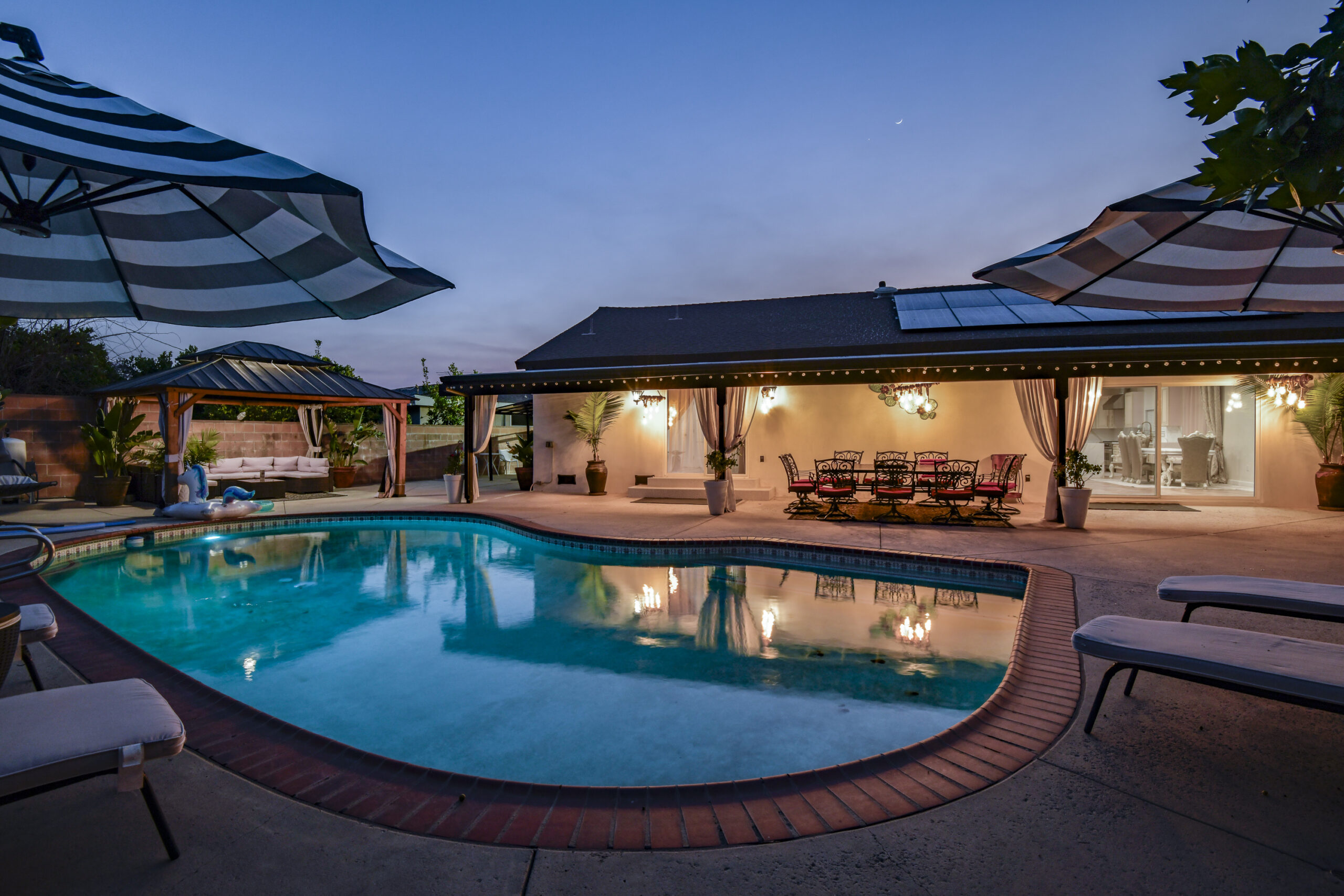
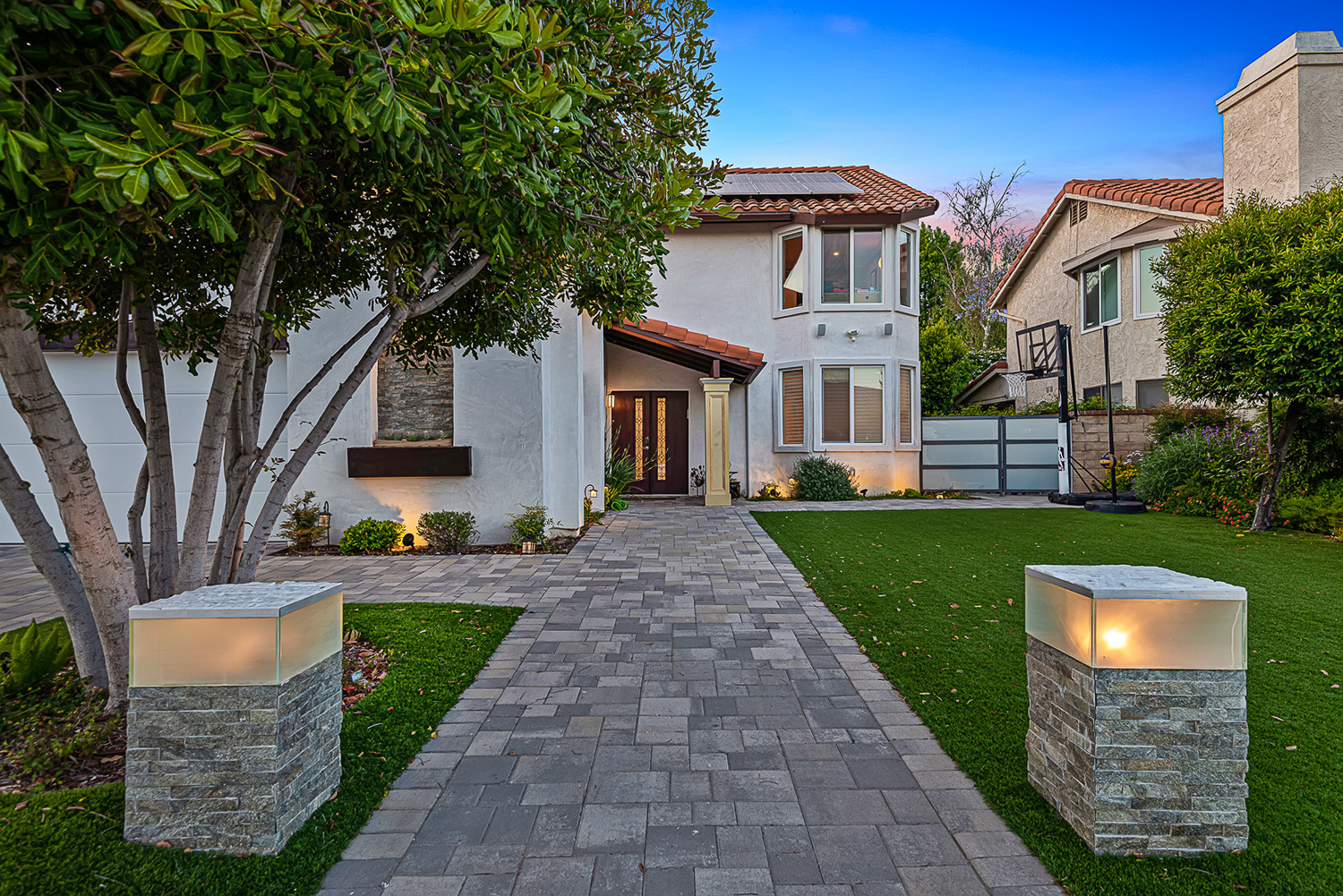
The strongest twilight images do more than look dramatic. They show specific value points with more clarity. Interior lighting visible through windows adds depth and signals livability. Landscape lighting defines walkways, specimen trees, and hardscape lines. Pool lighting, spa lighting, and fire elements become focal features instead of secondary amenities.
Architectural materials can also benefit. Glass, stone, wood, and metal surfaces often photograph with more richness during twilight because the scene has balanced highlights and fewer harsh shadows. That is especially useful for modern homes, hillside properties, and residences with layered exterior lighting design.
Not every listing needs twilight coverage, and that is where strategy matters. For entry-level homes, a strong daytime set may be enough. But for luxury properties, the question is less about whether twilight is necessary and more about whether the home has features that are underrepresented in daylight alone.
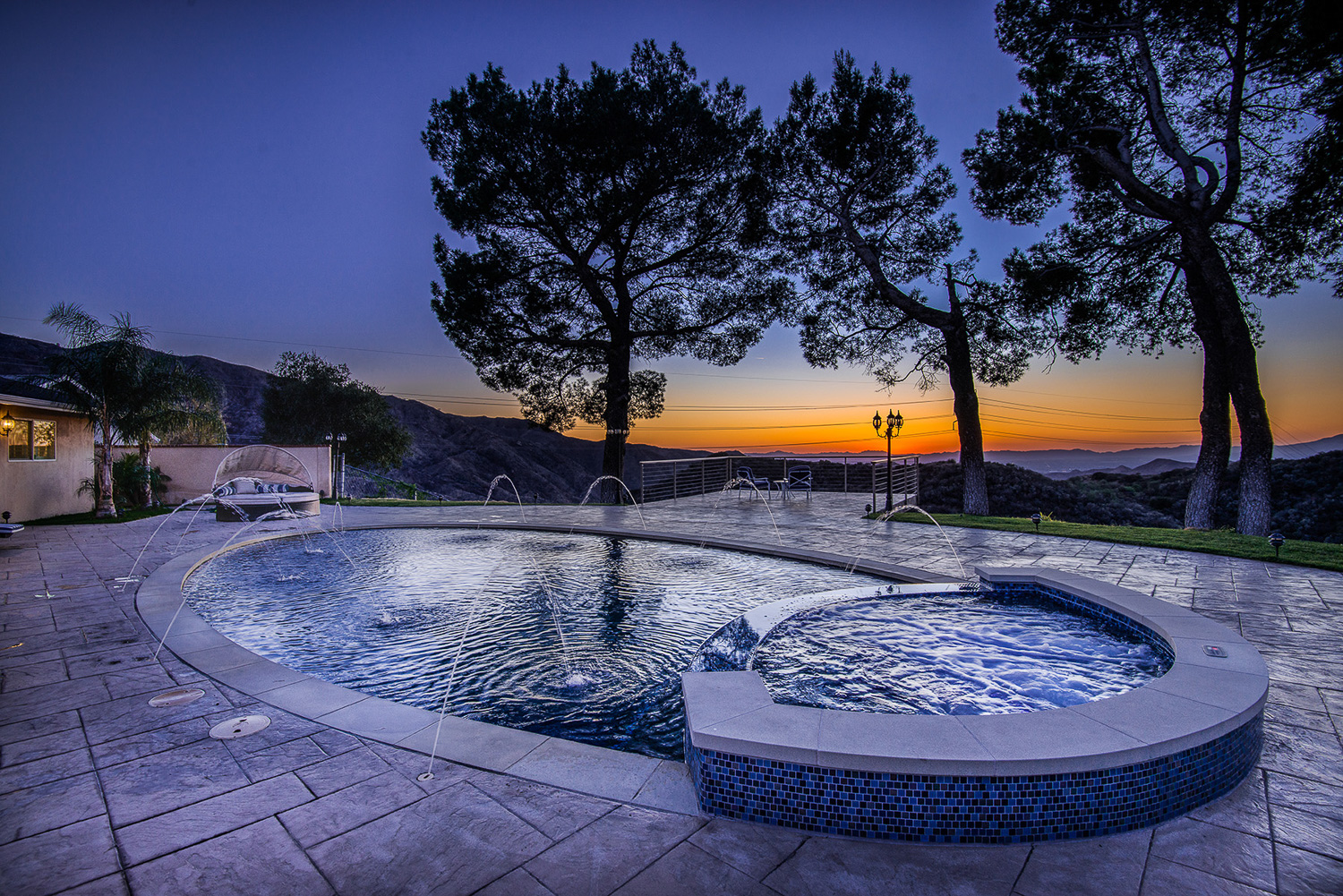
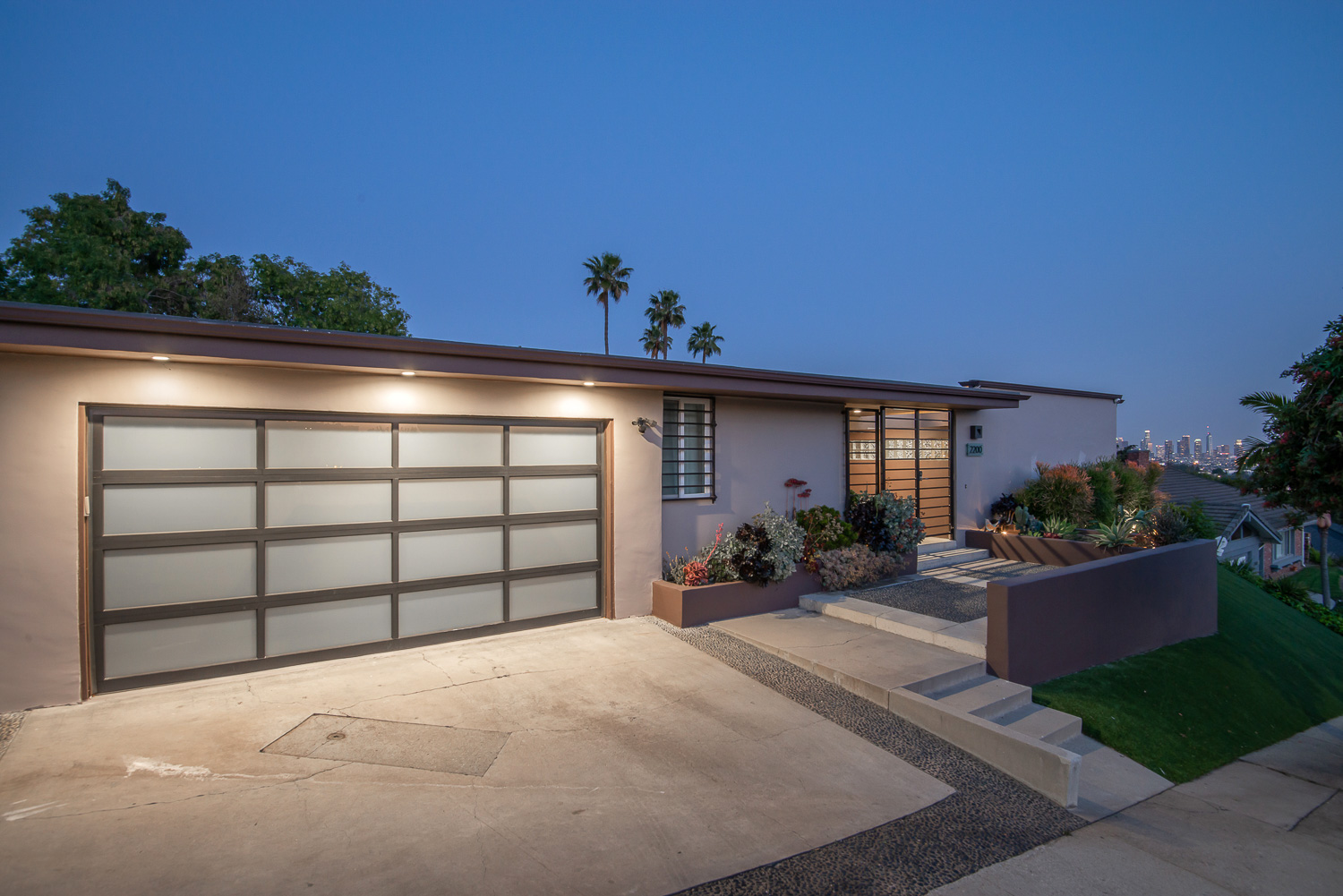
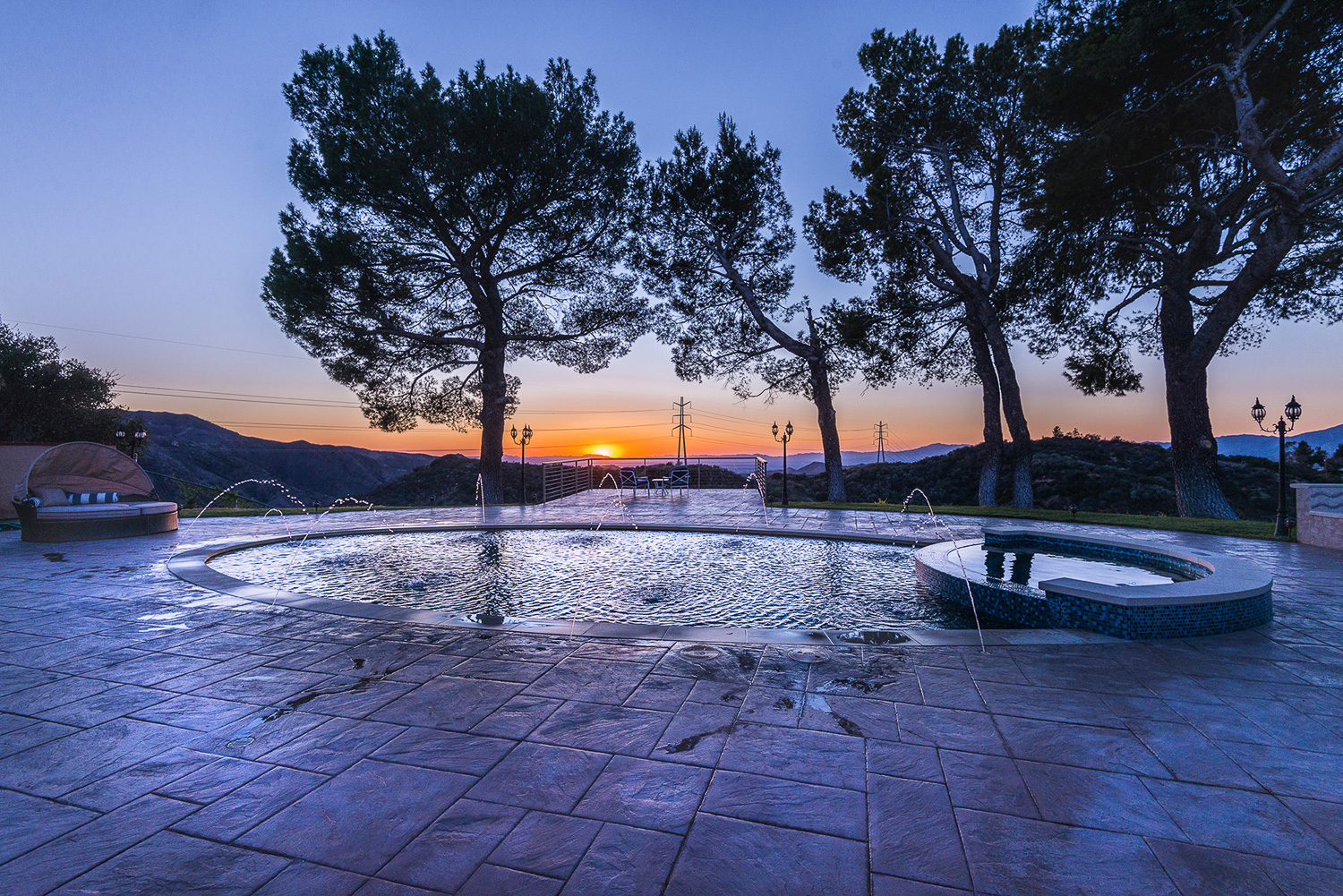
Twilight is especially effective when a property includes a pool, significant outdoor living areas, custom landscape lighting, expansive glazing, city-light or ocean views, or a dramatic front elevation. It is also a smart choice when the home has a premium entertainment story. If buyers are likely to imagine cocktail hour on the terrace, evening arrivals through a gated motor court, or indoor-outdoor living around a lit pool, twilight should be part of the presentation.
There are trade-offs. If the exterior has limited lighting or the property sits in a position where the sky drops dark too quickly, results can vary without proper planning. Weather can also affect timing, and the twilight shooting window is short. That is why this service works best when it is handled as a deliberate production, not an add-on treated casually at the end of a daytime session.
Buyers may not know why one twilight image looks polished and another looks artificial, but they can tell the difference immediately. Premium twilight photography depends on timing, lighting control, composition, and post-production discipline.
Timing is the foundation. The best exterior frames are usually captured during the brief period after sunset when the sky retains color but the home’s interior and exterior lights are fully visible. Too early, and the ambient light overwhelms the lighting design. Too late, and the sky turns flat and the home loses definition.
Lighting preparation is just as important. Every visible bulb, sconce, pendant, step light, and landscape fixture needs to be functioning and color-consistent. A single burnt-out exterior light can pull attention in the wrong way. Mixed color temperatures can also cheapen the look of an otherwise high-end property.
Composition should prioritize the home’s strongest selling angle. That may be the front facade, but not always. In many luxury listings, the rear elevation tells a better story because it shows the pool, view corridor, terrace, and glass walls together. A commercially minded media team will select the view that best supports how the property should be positioned in the market.
Post-production matters because twilight scenes are technically demanding. Window glow, sky color, lighting balance, and detail retention all need careful adjustment. Overediting can make the image look synthetic. Underediting can leave it dull. The goal is credibility with impact.
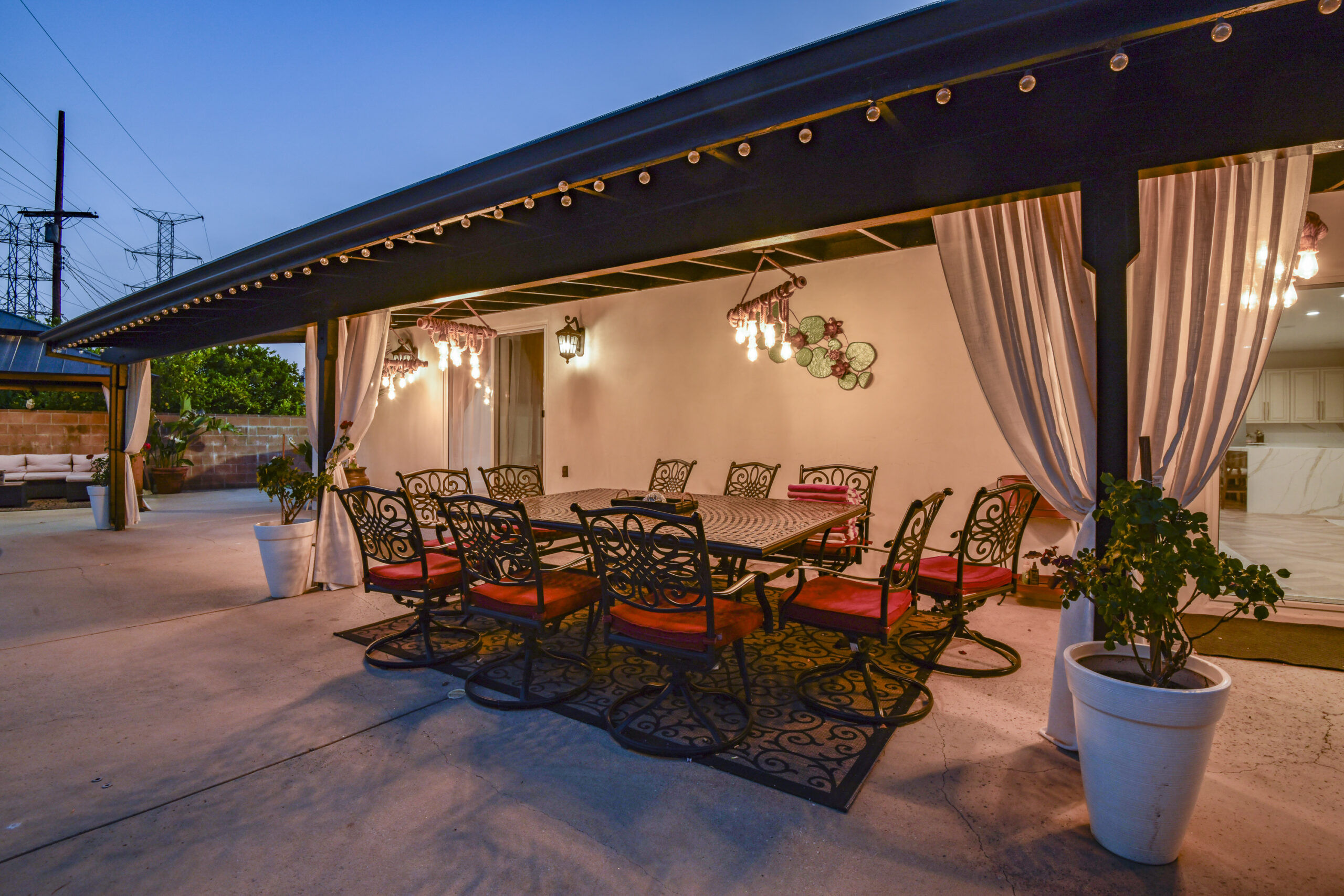
Twilight is less forgiving than daytime photography. That means pre-shoot readiness directly affects results. Pools should be clean and filled properly. Outdoor furniture should be placed with purpose. Window coverings should be coordinated. Interior lights should be checked in advance, and exterior areas should be free of hoses, bins, toys, and seasonal clutter.
For occupied luxury homes, this often requires tighter coordination than a standard listing shoot. The payoff is that small details become assets instead of distractions.
Twilight should not be treated as a standalone image set. Its value increases when it works alongside the rest of the listing media package. Daytime photography still handles many essentials better, including bright interiors, broad layout coverage, and clear spatial representation. Twilight adds the emotional and aspirational layer that helps the listing feel distinctive.
That combination is powerful in luxury marketing. Daytime images establish the facts of the property. Twilight images shape the perception of the property. Together, they support stronger presentation across MLS, property websites, brochures, email campaigns, and social media promotion.
This is one reason full-service production can make a difference. When the same team handles capture, editing, and final deliverables, the visual story stays consistent. For agents marketing premium homes in areas such as Beverly Hills, Newport Beach, Malibu, or Pasadena, consistency is not cosmetic. It supports pricing confidence and brand credibility.
The most common mistake is using twilight only because it looks high-end, without considering whether the home is prepared to photograph well at dusk. If outdoor lighting is weak, landscaping is unfinished, or windows do not present cleanly, the image may not deliver the intended premium effect.
Another issue is choosing too many twilight frames and not enough strategic ones. One or two excellent twilight images can elevate an entire listing. A large set of repetitive dusk exteriors can dilute the impact.
There is also a pricing perception issue. If the photography looks heavily stylized but the rest of the listing presentation feels average, buyers may experience a disconnect. Twilight works best when the overall media package supports the same level of quality.
A simple test is to ask what the home sells best at night. If the answer includes arrival experience, architectural lighting, a resort-style backyard, a view, or indoor-outdoor entertaining, twilight is likely worth the investment. If the property’s value rests mostly on interior renovation, lot size, or functional layout, daytime may carry more of the load.
For many luxury listings, the answer is not either-or. It is a balanced package with daytime coverage for clarity and twilight coverage for distinction. That is typically the most effective approach when the goal is to stand out online, justify premium positioning, and generate stronger interest from qualified buyers.
A service provider like Klikarts can help determine that mix based on the home’s features, the listing strategy, and where the final assets will be used. That kind of planning is often what separates attractive listing media from media that actively supports a sale.
The best twilight photography does not just make a luxury home look beautiful. It makes the property feel considered, market-ready, and worth closer attention – which is exactly where stronger buyer engagement begins.