Table of Contents
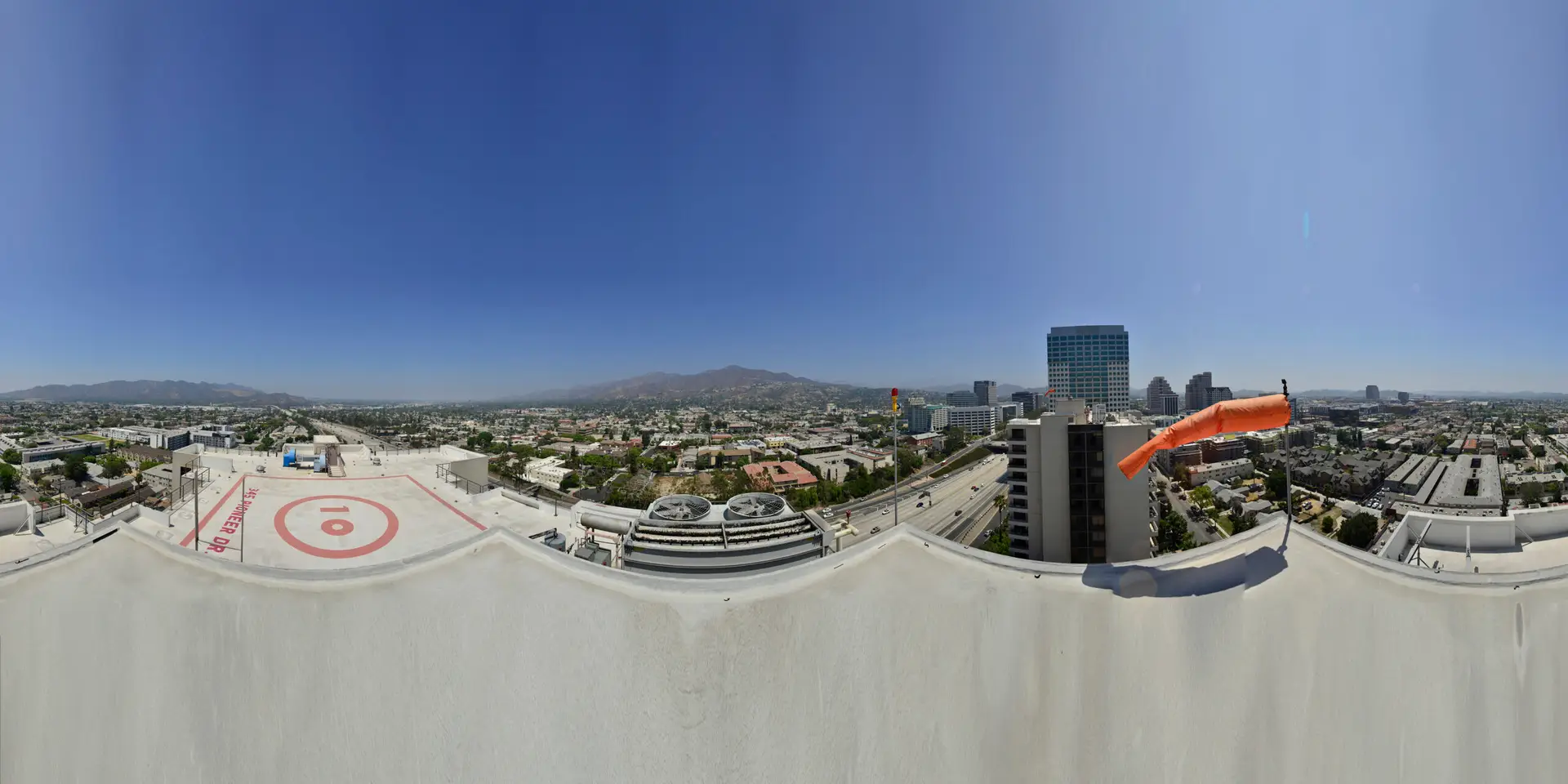
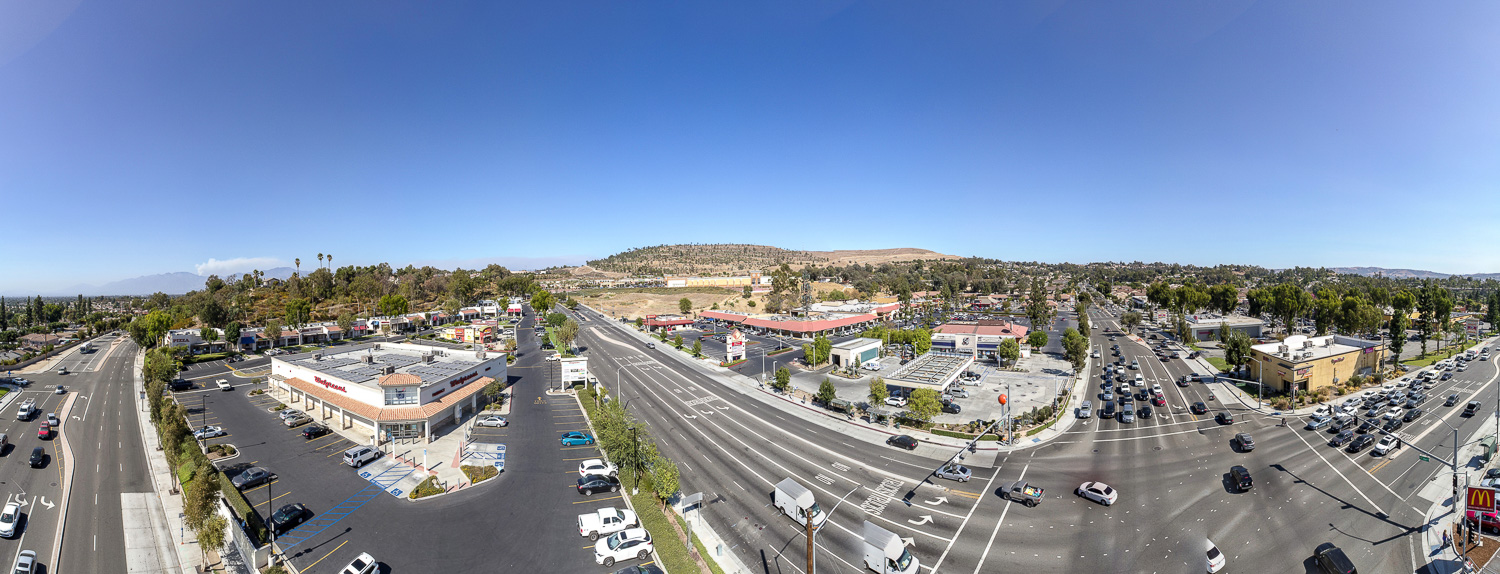
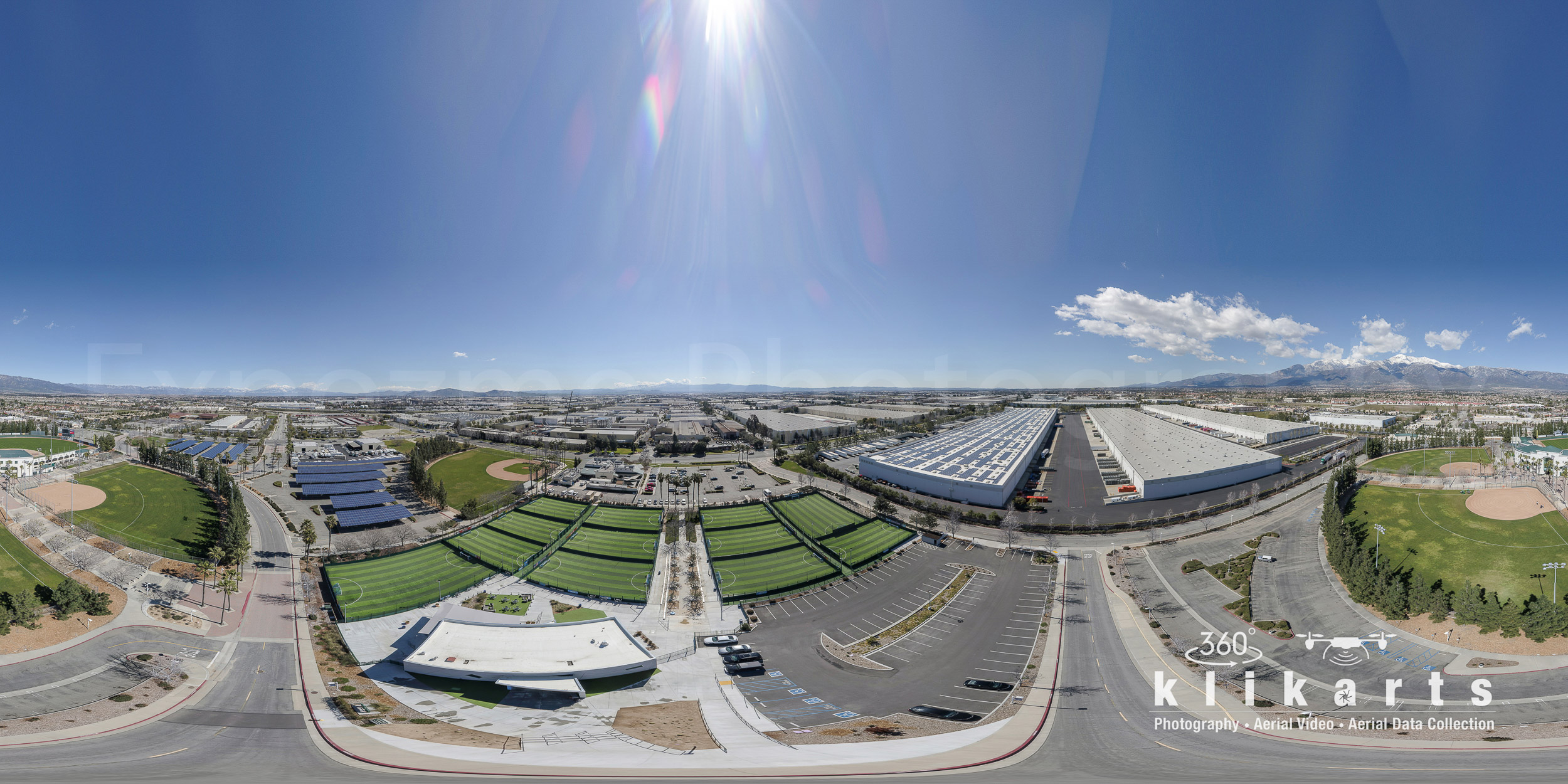
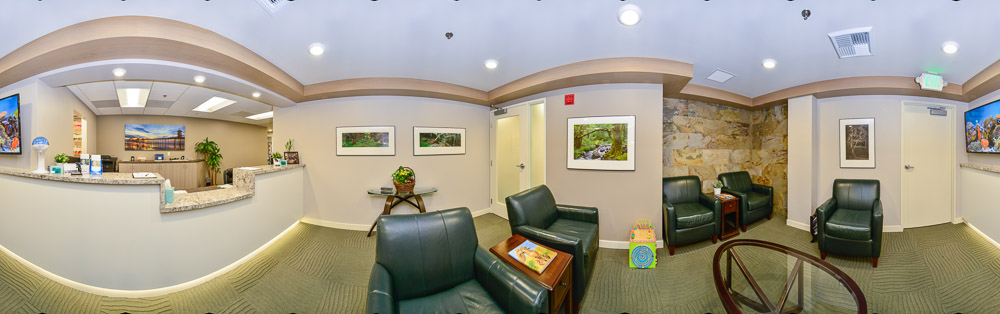
ToggleA buyer scrolls past a listing in seconds if the photos feel flat or incomplete. That is exactly where 360 photography for property tours changes the conversation. Instead of asking buyers to piece together a floor plan from still images, it lets them understand how a space connects, how rooms flow, and whether the property feels worth a visit.
For agents, brokers, property managers, and developers, that matters because online attention is now the first showing. If the digital presentation does not answer basic questions about layout, scale, and movement through the property, buyer interest weakens early. A 360 tour can close that gap and do it in a way that supports stronger engagement, more qualified inquiries, and a more polished listing presentation.
Traditional listing photography is still essential. It creates the first impression, highlights finishes, and gives marketing materials the polished look buyers expect. But still photos work best when they are paired with something that shows spatial relationships. That is the role of 360 photography for property tours.
A well-produced 360 tour places the viewer inside the property and allows them to move from room to room at their own pace. They can stop in the kitchen, turn toward the dining area, and understand how that space connects to the living room or outdoor access. That kind of orientation is difficult to communicate with standard images alone, even when the photography is strong.
This is especially useful in listings where layout is a selling point. Open-concept homes, split-level properties, remodeled condos, apartment communities, commercial suites, and multi-unit buildings all benefit when prospective buyers or tenants can understand circulation and room placement without guessing.
The practical value of a 360 tour is simple. It reduces uncertainty. Buyers are more likely to book a showing when they already feel they understand the property.
That matters because uncertainty is one of the biggest reasons listings lose momentum online. A home can have excellent finishes, thoughtful staging, and strong curb appeal, but if the image set leaves questions about room order, hallway connections, ceiling height, or the feel of the interior, users often move on to the next listing.
Immersive tours give buyers more control over the viewing experience. That sense of control keeps them engaged longer and helps them self-qualify. Some viewers will decide the property is not the right fit, which is useful. Others will move forward with more confidence because the tour answered the exact questions that static images could not.
For real estate professionals, that often leads to better inquiry quality. The showing request is no longer coming from someone who only liked the hero shot. It is coming from someone who has already spent time inside the digital version of the property and still wants to see it in person.
Not every listing needs the same media package, and that is an important distinction. A compact entry-level condo with a very straightforward layout may benefit more from high-end still photography, a floor plan, and a short walkthrough video than from a full interactive tour. On the other hand, certain properties see a clear advantage.
Larger homes benefit because room relationships can be hard to communicate across dozens of images. Luxury listings also perform well with 360 tours because buyers expect a more complete digital presentation before scheduling time. In Southern California markets where out-of-area and international interest is common, immersive media can help remote buyers evaluate a property more seriously before travel or a private showing.
Multi-unit and commercial properties are another strong fit. Leasing teams and property marketers often need to present not just finishes, but circulation, functionality, and unit layout. A 360 tour can help future tenants understand common areas, office suites, retail space, or amenity zones with far more clarity than a gallery of stills.
Vacant or visually challenging properties can also benefit. Empty spaces sometimes feel smaller or less inviting in standard photos, even with careful composition. A 360 environment gives viewers context. They can see how the rooms relate to one another, which helps offset some of the ambiguity vacant spaces often create.
Not all immersive tours help a listing equally. Poorly planned capture can create the opposite effect by making the property feel awkward, dark, or harder to navigate.
The first issue is image quality. A 360 tour still depends on lighting, exposure balance, vertical alignment, and careful room preparation. If windows are blown out, colors shift from room to room, or clutter is left unchecked, the tour will amplify those weaknesses because viewers are seeing more of the space, not less.
The second issue is capture strategy. The camera position matters. If panoramic points are placed too low, too high, or too close to furniture, the experience feels distorted. Good 360 production is not only about operating specialized equipment. It is about understanding how to guide the viewer through a property in a natural sequence.
The third issue is integration with the rest of the listing package. A 360 tour is strongest when it complements professional listing photography, floor plans, and video rather than replacing them. Buyers still rely on sharp still images for quick scanning. They use immersive tours for deeper evaluation. Those formats should work together.
Agents often ask whether they should choose a video walkthrough or a 360 tour. The answer depends on the property and the marketing goal.
A walkthrough video is guided. It controls pacing, highlights selling features, and presents the property in a polished narrative. That makes it valuable for social media promotion, email campaigns, and branded marketing where the goal is to capture attention quickly and shape perception.
A 360 tour is interactive. It lets the viewer decide where to look and how long to stay in each area. That makes it more useful for serious consideration, especially when someone wants to evaluate usability, room connection, or the overall feel of a floor plan.
For many listings, the strongest approach is not either-or. It is a media mix that includes professional photography for click appeal, video for promotion, and 360 imaging for decision support. That combination serves different stages of the buyer journey more effectively than any single format on its own.
The value of immersive media is not just visual. It is strategic. Listings compete in crowded search environments where attention is limited and comparison happens instantly. Properties that communicate clearly tend to hold interest longer.
A 360 tour can improve that communication in several ways. It helps buyers understand scale. It shows whether a property has functional flow. It provides transparency that builds trust. It can also reduce repetitive back-and-forth questions about the layout because much of that information is already visible.
That does not mean every tour directly leads to more offers. Real estate outcomes still depend on pricing, presentation, location, market timing, and property condition. But when a listing already has strong fundamentals, better visual communication can absolutely improve response quality and help the property feel more market-ready.
For agents working competitive markets like Los Angeles, presentation often plays a larger role than many sellers realize. When buyers are comparing multiple homes in the same price range, the listing that feels easier to understand usually has an advantage.
If you are adding immersive media to your marketing, execution matters. The provider should understand real estate, not just camera technology. That means knowing how listings are consumed online, how different asset types support one another, and how to produce platform-ready deliverables without slowing down the listing timeline.
It also means thinking beyond the capture day. Editing, color consistency, file preparation, and presentation quality all affect how the final tour performs. A polished result should feel intuitive, clean, and aligned with the rest of the listing media package.
This is where working with a real estate media company has a practical advantage. A provider like Klikarts is not approaching 360 imaging as a novelty. It is treated as one part of a broader property marketing system designed to help listings present better and compete harder.
The best use of 360 photography is not to add more media for its own sake. It is to remove friction from the buyer’s decision process. When people can see how a property actually lives, they make faster, more informed choices – and that is good for everyone involved in the transaction.
If your listing has a layout worth showing, a buyer audience that starts online, or a price point that demands stronger presentation, immersive photography is not just a nice extra. It is often the clearest way to turn curiosity into real showing interest.